


Yukari is a light, fragrant Japanese seasoning that instantly lifts simple food. It has a fresh, slightly sour taste with a gentle salty note. Because of that balance, it works beautifully on rice, snacks, and even modern fusion dishes. Moreover, it is easy to prepare at home with very basic ingredients. As a result, many people prefer homemade yukari for its freshness and clean flavor.
Table of Contents
ToggleOrigin of Yukari (ゆかり)
Yukari comes from Japan and is closely linked with traditional home cooking. Originally, it was made as a way to preserve red shiso leaves during harvest season. Over time, people discovered that dried and seasoned shiso created a unique condiment. Consequently, yukari became popular as a rice topping, especially in bento boxes. Today, it is loved both in Japan and abroad for its simplicity and versatility.
Ingredients list of Yukari recipe with pictures
Below is a clear explanation of each ingredient and why it matters in the recipe.
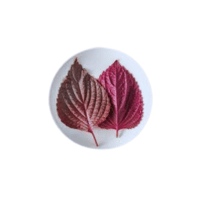
Red Shiso Leaves
Red shiso is the heart of yukari. It gives the seasoning its color, aroma, and slightly tangy taste. In addition, it contains natural oils that release strong flavor when dried.
Salt
Salt helps draw out moisture from the leaves. At the same time, it preserves the shiso and balances its natural bitterness.
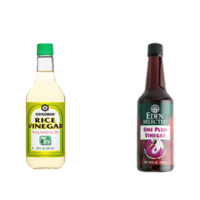
Rice Vinegar or Plum Vinegar
Vinegar adds a mild sourness and helps fix the bright red color. Traditionally, plum vinegar is used, which deepens the flavor even more.
Ingredients with Quantity
| Ingredient | Quantity |
|---|---|
| Red shiso leaves | 50 grams |
| Salt | 1 tablespoon |
| Rice or plum vinegar | 1 tablespoon |
Step by Step Yukari Recipe (ゆかり)
Wash the Shiso Leaves
First, rinse the red shiso leaves thoroughly under cold water. This step removes dust and impurities. After that, gently pat them dry with a clean cloth.
Remove Thick Stems
Next, separate the leaves from the thick stems. Since stems are tough, removing them ensures a smoother texture later.
Massage with Salt
Then, place the leaves in a bowl and sprinkle salt over them. Slowly massage until the leaves release dark liquid. This process softens the leaves and removes bitterness.
Rinse and Squeeze
After salting, rinse the leaves quickly with water. Following that, squeeze them tightly to remove excess moisture.
Add Vinegar
Now, drizzle vinegar over the leaves and mix gently. This step enhances color and adds a pleasant tang.
Dry the Leaves
Spread the leaves evenly on a tray. Allow them to air dry in sunlight or a well ventilated room until fully crisp.
Crush into Flakes
Finally, crush the dried leaves by hand or with a mortar. Your yukari is now ready to use.
Common Mistakes to Avoid
Using Green Shiso Instead of Red
Green shiso has a different flavor and does not give the signature color. Therefore, always choose red shiso for authentic yukari.
Overwashing After Salting
Rinsing too long removes too much flavor. Instead, a quick rinse is enough.
Drying in Humid Conditions
If leaves are not fully dry, they can spoil. So, ensure complete drying before crushing.
Adding Too Much Vinegar
Excess vinegar can overpower the natural taste. For balance, stick to small amounts.
Tips for Perfect Yukari
Choose Fresh Leaves
Fresher leaves give brighter color and stronger aroma. As a result, the final seasoning tastes better.
Dry Slowly for Best Flavor
Slow drying preserves essential oils. Hence, avoid high heat methods.
Store Properly
Keep yukari in an airtight jar away from light. This way, it stays fresh longer.
Variations of Yukari
Citrus Yukari
Adding dried yuzu peel creates a refreshing citrus note. Therefore, it pairs well with seafood.
Spicy Yukari
Mixing chili flakes gives gentle heat. As a result, it becomes perfect for grilled dishes.
Sesame Yukari
Toasted sesame seeds add nutty depth. Consequently, it works well on rice bowls.
Serving Suggestions
Sprinkle over steamed rice for a classic taste.
Use on popcorn for a light Japanese style snack.
Add to salads for color and aroma.
Mix into pasta or noodles for fusion flavor.
Nutritional Information (Approximate per 1 teaspoon)
| Nutrient | Amount |
|---|---|
| Calories | 5 kcal |
| Carbohydrates | 1 g |
| Protein | 0.3 g |
| Fat | 0 g |
| Sodium | 120 mg |
Why People Love Yukari?
People love yukari because it enhances food without overpowering it. Additionally, its vibrant color makes dishes more appealing. Since it is low in calories, it also fits well into healthy diets. Moreover, its versatility allows it to blend with both traditional and modern recipes.
Benefits of Yukari Recipe
Rich in Natural Antioxidants
Yukari is made from red shiso leaves, which naturally contain antioxidants. These compounds help protect the body from cell damage. Because of this, regular but moderate use can support overall well being.
Low in Calories
One of the biggest benefits of yukari is that it adds strong flavor without adding many calories. Therefore, it is a smart choice for people who want tasty food while managing their weight.
Enhances Digestion
Traditionally, shiso is known to support digestion. As a result, yukari can help reduce heaviness after meals, especially when eaten with rice or oily foods.
Boosts Appetite Naturally
The fresh aroma and tangy taste of yukari stimulate the senses. Because of that, it can improve appetite, which is helpful for people who struggle to enjoy food.
Long Shelf Life
When dried and stored properly, yukari lasts for months. Consequently, it becomes a convenient seasoning that does not spoil quickly.
Disadvantages of Yukari Recipe
High Sodium Content
Since salt is a main ingredient, yukari can be high in sodium. Therefore, excessive consumption may not be suitable for people with high blood pressure.
Limited Availability of Red Shiso
Fresh red shiso leaves are not easily available everywhere. Because of this, making yukari at home can be difficult in some regions.
Strong Flavor for Some People
The taste of yukari is unique and slightly sharp. As a result, some people may find it too strong or unusual at first.
Not Suitable for Salt Restricted Diets
People on low salt diets need to be careful. Even small amounts can add noticeable saltiness to food.
Risk of Spoilage if Not Dried Properly
If the leaves are not fully dried, moisture can cause mold. Therefore, proper drying is very important for safety and quality.
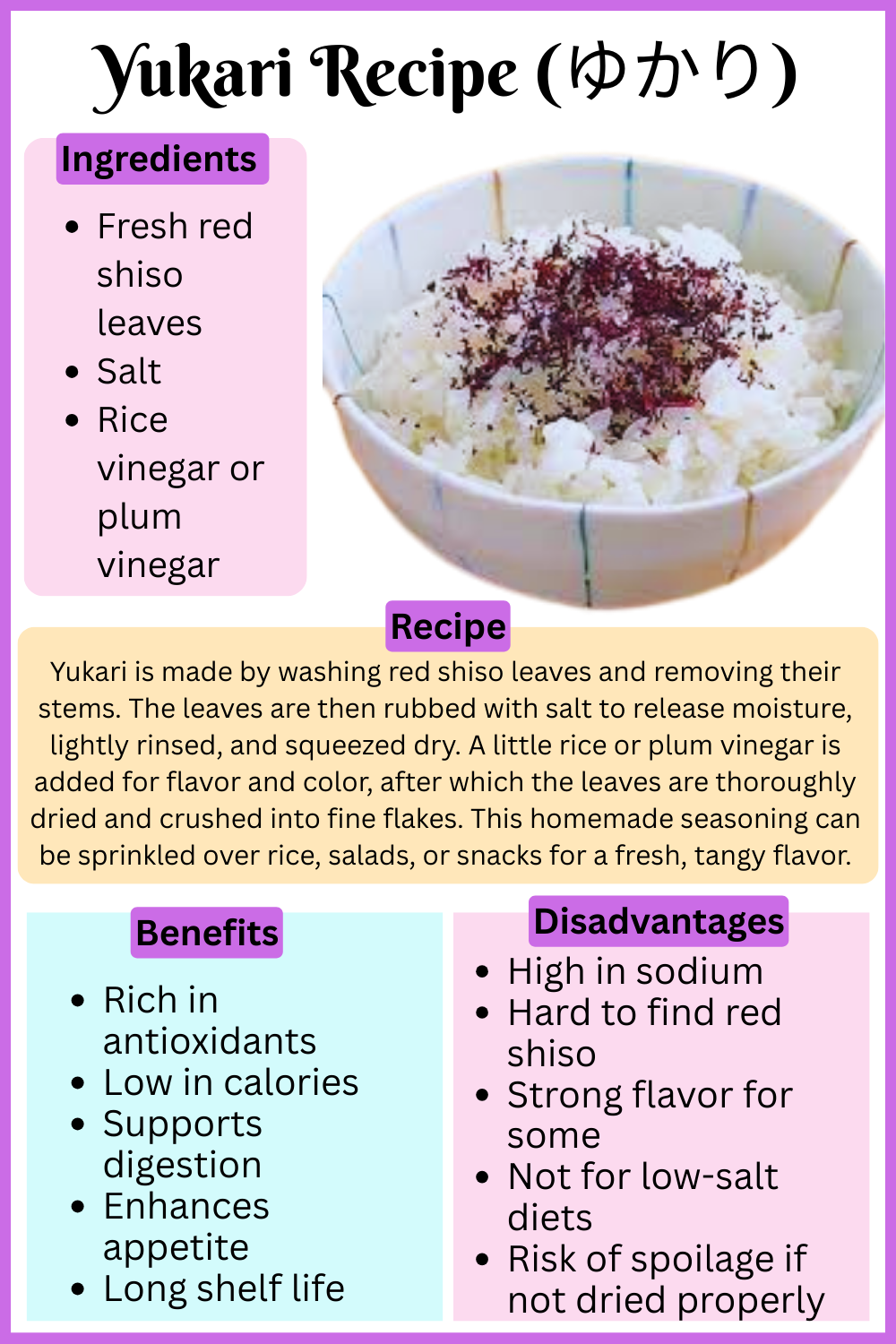
Step by Step Yukari Recipe (ゆかり)
FAQs
What is yukari made of?
Yukari is made from dried red shiso leaves, salt, and vinegar.
Is yukari spicy?
No, it is not spicy. Instead, it tastes tangy and mildly salty.
Can yukari be used outside Japanese food?
Yes, it works well with pasta, salads, and snacks.
Is yukari healthy?
In moderation, it is healthy due to low calories and antioxidants.
How long does homemade yukari last?
When stored properly, it can last up to six months.
Can I use green shiso?
Green shiso changes the flavor and color, so it is not recommended.
Does yukari contain MSG?
Homemade yukari does not contain MSG.
Can yukari be used on meat?
Yes, it pairs nicely with grilled chicken and fish.
Is yukari vegan?
Yes, it is completely plant based.
Where can I buy red shiso?
Asian grocery stores or Japanese markets usually carry it.
Conclusion
Yukari is a simple yet powerful seasoning that brings color and flavor to everyday meals. Because it is easy to make and versatile, it deserves a place in every kitchen. With the right technique and balance, homemade yukari tastes fresher and more vibrant than store bought versions. As a result, it becomes a small effort with a big reward.

