


Kashmiri Chai, also known as Pink Tea or Noon Chai, is not just a drink. Instead, it is an experience deeply tied to warmth, culture, and togetherness. With its soft pink color, light saltiness, and creamy finish, this tea feels comforting from the very first sip. Moreover, it is often enjoyed during cold mornings, family gatherings, and special occasions, which makes it emotionally comforting as well as delicious.
Table of Contents
ToggleOrigin of Kashmiri Chai
Originally, Kashmiri Chai comes from the Kashmir Valley, where harsh winters demand nourishing and warming foods. Traditionally, locals prepared it in copper kettles called samovars. Over time, this tea traveled beyond Kashmir and became popular across Pakistan and other regions. As a result, many households now prepare it in their own style while keeping the soul of the recipe intact.
Kashmiri Chai Ingredients list with pictures
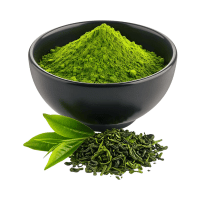
- Green Tea Leaves
These form the base of Kashmiri Chai. Unlike black tea, green tea gives a lighter taste and helps achieve the signature pink color.

- Baking Soda
A very small amount is used. It reacts with the tea leaves and helps develop the pink hue.
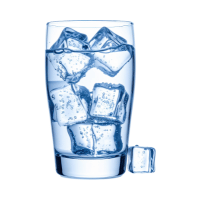
- Cold Water
Ice-cold water is added during cooking. This step aerates the tea and enhances color.
- Milk
Milk adds creaminess and balances the strong tea flavor.
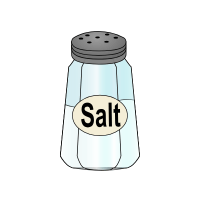
- Salt
Traditionally, Kashmiri Chai is salty. Salt enhances flavor and makes it unique.
- Cardamom
Crushed cardamom provides a gentle aroma and warmth.
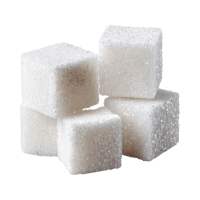
- Sugar (optional)
Although classic versions are salty, many people prefer a sweet touch.
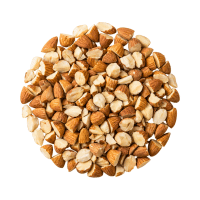
- Chopped Nuts
Almonds and pistachios are added for texture and richness.



Ingredients With Quantity
| Ingredient | Quantity |
|---|---|
| Green tea leaves | 2 tablespoons |
| Baking soda | 1 pinch |
| Cold water | 2 cups |
| Milk | 2 cups |
| Salt | ½ teaspoon |
| Cardamom | 3 pods (crushed) |
| Sugar (optional) | To taste |
| Almonds & pistachios | 2 tablespoons |
Step by Step Kashmiri Chai Recipe
- Boil the Tea Base
First, add green tea leaves, baking soda, and 2 cups of water to a pot. Then, boil on medium heat for about 10 minutes until the water reduces. - Develop the Pink Color
Next, add ice-cold water and stir vigorously. At this stage, the color will slowly turn reddish. - Add Milk
After that, pour in milk and continue boiling on low heat. Gradually, the tea will turn light pink. - Season the Tea
Now, add salt and crushed cardamom. Stir well so flavors blend properly. - Final Simmer
Finally, simmer for another 5 minutes. Strain the tea into cups and garnish with nuts.

Step by Step Kashmiri Chai Recipe
Common Mistakes to Avoid
- Using Black Tea Instead of Green Tea
Black tea will not produce the pink color and changes the entire flavor profile. - Adding Too Much Baking Soda
Even a little extra can ruin the taste. Therefore, always use a pinch only. - Skipping Cold Water Step
Without cold water, the color will not develop properly. - Overboiling Milk
Excess boiling can cause bitterness. Hence, keep the flame low after adding milk.
Tips for Perfect Kashmiri Chai
- Always use fresh green tea leaves for best results.
- Stir the tea energetically while adding cold water.
- Use full-fat milk for a richer texture.
- Adjust salt carefully to suit your taste.
Variations of Kashmiri Chai
- Sweet Kashmiri Chai
Sugar is added instead of salt, making it dessert-like and kid-friendly. - Saffron Kashmiri Chai
A few strands of saffron add aroma and luxury. - Spiced Kashmiri Chai
Cinnamon and cloves can be added for deeper warmth. - Low-Fat Version
Low-fat milk works for those watching calories, although texture changes slightly.
Serving Suggestions
- Serve hot in small cups.
- Pair with naan khatai or biscuits.
- Enjoy during winter evenings or festive mornings.
- Present with extra nuts on top for a royal look.
Nutritional Information (Approximate Per Cup)
| Nutrient | Amount |
|---|---|
| Calories | 120 kcal |
| Protein | 5 g |
| Fat | 6 g |
| Carbohydrates | 10 g |
| Calcium | 150 mg |
Price of Kashmiri Chai (Approximate)
In Pakistan:
- A cup of Kashmiri Chai at a regular dhaba or café usually costs Rs 120 to Rs 300.
- At popular cafés or restaurants, the price can rise to Rs 350 to Rs 600, depending on location and quality.
In USD (approx.)
- Ordinary tea stall price: $0.40 to $1.10
- Restaurant or café price: $1.20 to $2.00
Why People Love Kashmiri Chai
People love Kashmiri Chai because it feels comforting and special. On one hand, its color makes it visually appealing. On the other hand, its taste is soothing and unique. Additionally, it carries cultural value and reminds many people of winter mornings and family gatherings.
Benefits of Kashmiri Chai recipe
- Keeps the body warm
Kashmiri Chai is especially loved in cold weather because it naturally warms the body. Since it is prepared hot and contains warming spices like cardamom, it helps improve blood circulation and provides comfort during winters. - Rich in antioxidants
The green tea used in Kashmiri Chai contains antioxidants that help fight free radicals. As a result, it supports overall health and may help in reducing oxidative stress when consumed in moderation. - Supports digestion
Cardamom plays an important role in aiding digestion. Therefore, drinking Kashmiri Chai after meals can help reduce bloating and improve digestive comfort. - Good source of calcium
Because milk is a key ingredient, this tea provides calcium which supports strong bones and teeth. Moreover, it is beneficial for people who need extra nourishment in colder months. - Boosts mood and relaxation
The warm, creamy texture combined with its mild aroma creates a calming effect. For this reason, many people enjoy it during gatherings or quiet moments to relax and unwind.
Disadvantages of Kashmiri Chai Recipe
- High sodium content
Traditional Kashmiri Chai contains salt, which may not be suitable for people with high blood pressure. Therefore, excessive intake can lead to increased sodium levels in the body. - Calorie rich if consumed frequently
Since milk and nuts are used, Kashmiri Chai can be high in calories. As a result, drinking it too often may contribute to weight gain. - Not suitable for lactose intolerance
People who are lactose intolerant may experience discomfort due to the milk. However, this can be managed by using lactose-free milk. - Caffeine sensitivity
Although green tea has less caffeine than black tea, it can still affect people who are sensitive. Consequently, it may cause restlessness if consumed in large amounts. - Time consuming preparation
Kashmiri Chai requires patience and proper technique. Therefore, it may not be ideal for those looking for a quick tea option.
FAQs
Is Kashmiri Chai sweet or salty?
Traditionally, it is salty. However, sweet versions are also common.
Why is Kashmiri Chai pink?
The color comes from a chemical reaction between green tea, baking soda, and aeration.
Can I make it without baking soda?
Yes, but the pink color will be less noticeable.
Is Kashmiri Chai healthy?
In moderation, it offers antioxidants and warmth.
Can I use tea bags?
Loose green tea works best. Tea bags may not give proper color.
How long does it take to make?
Usually, it takes around 25 to 30 minutes.
Can I store Kashmiri Chai?
It tastes best fresh, though it can be reheated once.
Is it served daily in Kashmir?
Yes, especially during winter months.
Can children drink it?
Sweet versions are more suitable for children.
What nuts are best for garnish?
Almonds and pistachios are traditional choices.

Kashmiri Chai Recipe
Conclusion
Kashmiri Chai is more than a beverage. Rather, it is a symbol of warmth, tradition, and comfort. With its creamy texture, delicate flavor, and beautiful pink color, it continues to win hearts everywhere. If you enjoy trying cultural recipes, then Kashmiri Chai deserves a place in your kitchen.


