


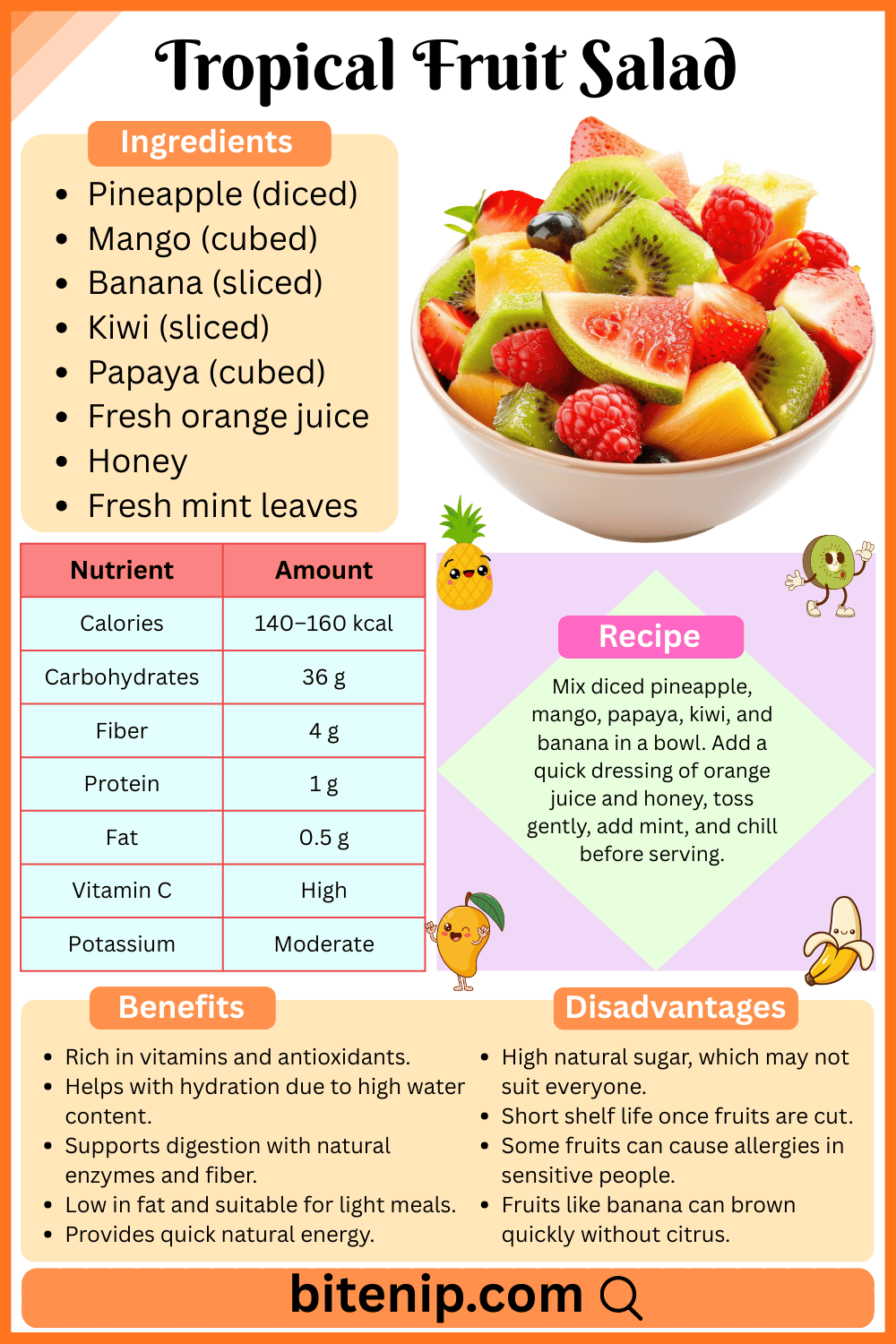
A tropical fruit salad recipe is a bright and refreshing dish that brings together the natural sweetness and vibrant colors of sunny-climate fruits. It is a simple recipe, yet it feels special because every bite offers a mix of flavors and textures. Moreover, it works well for breakfast, brunch, or even as a light dessert. Since the ingredients are fresh and colorful, it always looks inviting on the table.
Origin
Fruit salads have been enjoyed for centuries in regions where fresh produce grows abundantly. Over time, tropical countries in Asia, the Caribbean, and South America began mixing local fruits to create balanced, juicy bowls. Gradually, this style of fruit salad spread worldwide because people loved its refreshing taste. Today, the tropical fruit salad remains popular because it blends natural sweetness with a hint of citrus freshness.
Ingredients list of Tropical Fruit Salad Recipe with pictures
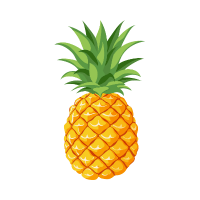
1. Pineapple
A juicy, sweet-tart fruit found in tropical regions. Adds brightness and a gentle acidity that balances sweeter fruits.
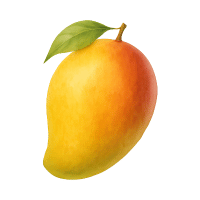
2. Mango
A soft, golden fruit known for its rich sweetness. Brings a creamy texture and a deep fruity aroma.
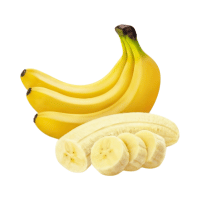
3. Banana
A soft, mild fruit with natural sweetness. Adds body and a smooth texture that ties the salad together.
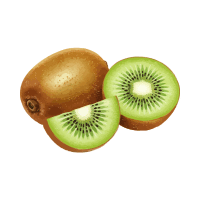
4. Kiwi
A small green fruit with a tangy flavor. Introduces a refreshing tartness that keeps the salad lively.
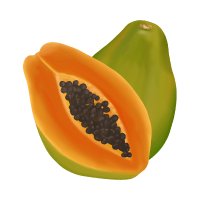
5. Papaya
A tender orange fruit with a mild tropical flavor.Offers a gentle sweetness and soft texture.
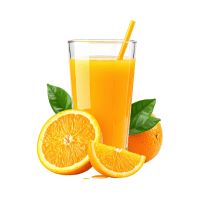
6. Orange Juice
Fresh juice squeezed from oranges. Works as a light dressing that enhances flavor and prevents browning.
7. Honey
Natural sweetener produced by bees. Adds a subtle sweetness and helps bind the flavors.

8. Mint Leaves
Fresh green herbs with a cooling scent.Gives a clean, refreshing finish.

Ingredients with Quantity
| Ingredient | Quantity |
|---|---|
| Pineapple (diced) | 1 cup |
| Mango (cubed) | 1 cup |
| Banana (sliced) | 1 medium |
| Kiwi (sliced) | 2 pieces |
| Papaya (cubed) | 1 cup |
| Fresh orange juice | 3 tablespoons |
| Honey | 1 tablespoon |
| Mint leaves (chopped) | 1 tablespoon |
Step by Step Tropical Fruit Salad Recipe
1. Prepare the fruits
Wash, peel, and cut all fruits into bite-sized pieces. This keeps the salad easy to eat and ensures a balanced mix of flavors.
2. Combine in a bowl
Place the pineapple, mango, papaya, kiwi, and banana in a large mixing bowl. As you add them, gently toss to avoid crushing the softer pieces.
3. Make the dressing
In a small cup, mix the orange juice and honey until the honey dissolves. This simple dressing adds brightness without overpowering the fruits.
4. Add the dressing
Pour the dressing over the fruit mixture. After that, toss everything lightly so the fruits absorb the citrus flavor.
5. Add mint
Sprinkle chopped mint leaves and give it one final, gentle mix.
6. Chill before serving
Let the salad rest in the refrigerator for at least 20 minutes. The flavors blend better when chilled.
Common Mistakes to Avoid
1. Using overripe fruits
Overripe fruits turn mushy and break apart easily. This can make the salad watery and less appealing, so choose firm, fresh ones.
2. Skipping the citrus
Citrus juice prevents browning and keeps the fruits bright. Without it, bananas and papayas lose color quickly and look less fresh.
3. Cutting fruits too early
Fruits lose freshness when cut long before serving. Preparing them too early can reduce flavor and texture.
4. Mixing too harshly
Stirring roughly can crush soft fruits. A gentle toss protects the shape and improves presentation.
Tips for a Better Fruit Salad Recipe
1. Chill all fruits beforehand
Cold fruits enhance the refreshing quality of the salad and help maintain firmness.
2. Add banana last
Bananas brown quickly, so adding them right before mixing helps keep them fresh.
3. Taste before serving
Since sweetness varies, adjust honey or citrus to balance flavor.
4. Use a variety of colors
A colorful salad looks more inviting and helps ensure a mix of flavors.
Variations of Tropical Fruit Salad Recipe
1. Coconut Twist
Add shredded coconut or coconut milk for a creamier texture and richer tropical flavor.
2. Yogurt Mix
Stir in a few spoons of Greek yogurt to turn it into a creamy breakfast bowl.
3. Spiced Version
Add a pinch of cinnamon or nutmeg to bring warmth and complexity.
4. Nutty Crunch
Mix in almonds or cashews for added crunch and protein.
5. Berry Blend
Include strawberries or blueberries for extra color and antioxidants.
Serving Suggestions
1. Serve in chilled bowls
Cold bowls help maintain the refreshing feel of the salad and keep the fruits crisp.
2. Pair with grilled foods
This salad works well with grilled chicken, fish, or barbecue, offering a fresh contrast to savory flavors.
3. Use as a dessert topping
It tastes great over ice cream, yogurt, or even pancakes.
Nutritional Info (Per Serving)
|
Nutrient |
Amount |
|---|---|
|
Calories |
140–160 kcal |
|
Carbohydrates |
36 g |
|
Fiber |
4 g |
|
Protein |
1 g |
|
Fat |
0.5 g |
|
Vitamin C |
High |
|
Potassium |
Moderate |
Why People Love This Food
People enjoy tropical fruit salad because it feels light yet satisfying. Additionally, the mix of natural sweetness and gentle acidity creates a balanced flavor that suits all ages. It is also convenient, since the ingredients are simple and fresh. Because of its vibrant colors, it appeals visually and fits well into many meals. Most importantly, it delivers refreshment without being heavy.
Benefits of Tropical Fruit Salad Recipe
1. Packed with Vitamins and Antioxidants
Tropical fruits like pineapple, mango, and kiwi are naturally rich in Vitamin C and antioxidants. These nutrients help support your immune system, improve skin health, and protect the body from oxidative stress.
2. Hydrating and Refreshing
Most tropical fruits have high water content. Because of this, the salad helps keep the body hydrated, especially in hot weather. It also feels light and cooling, which makes it perfect for summer meals.
3. Good for Digestion
Fruits like papaya and pineapple contain natural enzymes such as papain and bromelain. These enzymes help break down food, making digestion easier. The fiber in the salad also supports bowel regularity.
4. Low in Fat
A tropical fruit salad offers natural sweetness without added fats. This makes it a great option for anyone looking for a light dessert or a healthy snack.
5. Provides Natural Energy
The natural sugars in the fruits offer a quick energy boost. This makes the salad ideal for breakfast, post-workout, or an afternoon snack.
Disadvantages of Tropical Fruit Salad Recipe
1. High Natural Sugar Content
Although healthy, tropical fruits can be high in natural sugars. People with diabetes or those monitoring sugar intake need to be mindful of portion sizes.
2. Short Shelf Life
Once the fruits are cut, they begin to lose freshness quickly. The salad can become watery or mushy within a day, so it is best eaten soon after preparation.
3. Possible Allergic Reactions
Some fruits, especially kiwi and pineapple, can cause reactions in sensitive individuals. These may include itching, mouth irritation, or mild swelling.
4. Can Brown Quickly
Fruits like banana and apple oxidize fast. If not mixed with citrus juice, the salad may start looking dull or unappealing in a short time.
FAQs
1. How long does tropical fruit salad last?
It usually stays fresh for up to 24 hours if kept refrigerated.
2. Can I use canned fruits?
Yes, although fresh fruits taste better. If using canned fruits, drain the syrup well.
3. How do I keep fruits from browning?
A splash of citrus juice prevents oxidation and keeps fruits bright.
4. Is tropical fruit salad healthy?
Yes, it contains vitamins, minerals, and antioxidants, as long as extra sweeteners are limited.
5. Can I prepare it ahead of time?
You can cut most fruits earlier, but add bananas and dressing close to serving time.
6. What fruits work best?
Pineapple, mango, papaya, kiwi, and banana combine well, although berries and melon also fit.
7. Can I make it without honey?
Yes, you can skip honey or replace it with maple syrup or no sweetener at all.
8. Is it suitable for kids?
Kids often enjoy it because of its bright colors and natural sweetness.
9. Can I add dairy?
Yogurt works well as a creamy variation, but it should be added right before serving.
10. Is this gluten-free?
Yes, the recipe is naturally gluten-free.
Tropical Fruit Salad Recipe
Conclusion
A tropical fruit salad is a simple dish that delivers freshness, color, and nutrition in every bite. It takes little time to prepare, yet it always feels uplifting. Whether you serve it for breakfast, as a side dish, or as a light dessert, it brings a natural sweetness that everyone enjoys. With so many ways to customize it, you can make it fit any occasion or taste preference.


