


Bagel bread brings together the soft chew of classic bagels and the convenience of a loaf. It works well for sandwiches, breakfast toast, or anytime you want something hearty. Because it has a dense crumb and a slightly glossy crust, it feels a little different from regular bread, yet it fits easily into everyday meals.
Origin
Bagels trace their roots to Jewish communities in Poland. Over time, they spread across Europe and eventually became a staple in North America. Bagel bread came later as bakers sought an easier, slice-friendly version of the traditional ring. By combining the same dough with a loaf-style bake, they created a new favorite that still carries the same nostalgia.
Ingredients list of bagel bread recipe with pictures
Below is a list of each ingredient along with its role and definition.
- Bread Flour
It has a higher protein content than all-purpose flour. This gives the dough strength and creates the chewy texture bagels are known for.

- Warm Water
It activates the yeast and helps the dough come together. Water temperature affects how quickly the dough rises.
- Active Dry Yeast
Yeast creates air pockets and helps the dough rise. It gives structure and a light lift even in dense breads.
- Sugar
Sugar feeds the yeast and supports browning during baking. It also softens the dough slightly.
- Salt
Salt balances the flavor and strengthens the gluten network. It helps control the yeast so the dough doesn’t rise too fast.
- Oil (optional)
A small amount of oil helps with moisture and makes the crumb a bit softer. Some recipes omit it for a firmer texture.
- Barley Syrup or Honey (for boiling)
This gives bagel bread its signature glossy crust. It also adds a hint of sweetness to the outer layer.
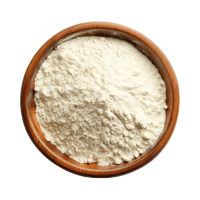

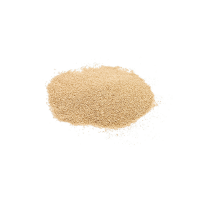
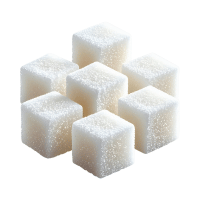
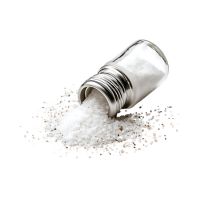

Ingredient List with Quantities
| Ingredient | Quantity |
|---|---|
| Bread flour | 3 ½ cups |
| Warm water | 1 ¼ cups |
| Active dry yeast | 2 ¼ teaspoons |
| Sugar | 1 tablespoon |
| Salt | 1 ½ teaspoons |
| Oil (optional) | 1 tablespoon |
| Barley syrup or honey (for boiling) | 1 tablespoon in 2 liters water |
Step by Step bagel bread recipe
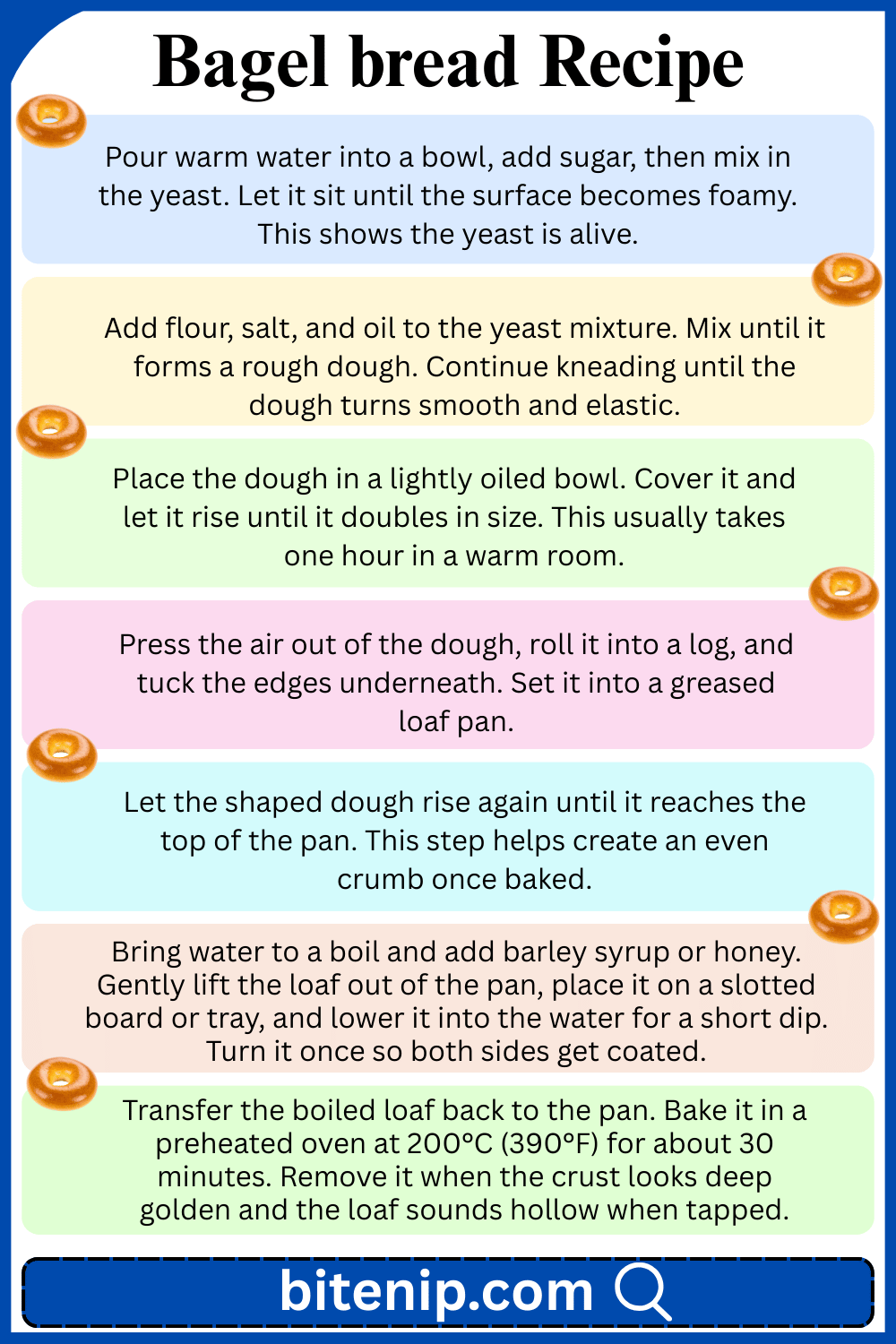
1. Activate the Yeast
Pour warm water into a bowl, add sugar, then mix in the yeast. Let it sit until the surface becomes foamy. This shows the yeast is alive.
2. Form the Dough
Add flour, salt, and oil to the yeast mixture. Mix until it forms a rough dough. Continue kneading until the dough turns smooth and elastic.
3. First Rise
Place the dough in a lightly oiled bowl. Cover it and let it rise until it doubles in size. This usually takes one hour in a warm room.
4. Shape the Loaf
Press the air out of the dough, roll it into a log, and tuck the edges underneath. Set it into a greased loaf pan.
5. Second Rise
Let the shaped dough rise again until it reaches the top of the pan. This step helps create an even crumb once baked.
6. Boil the Dough
Bring water to a boil and add barley syrup or honey. Gently lift the loaf out of the pan, place it on a slotted board or tray, and lower it into the water for a short dip. Turn it once so both sides get coated.
7. Bake
Transfer the boiled loaf back to the pan. Bake it in a preheated oven at 200°C (390°F) for about 30 minutes. Remove it when the crust looks deep golden and the loaf sounds hollow when tapped.
Step by Step bagel bread recipe
Common Mistakes to Avoid
-
Skipping the boil
Some try to skip this step, but boiling is what gives the bread its signature shine and chew. Without it, the loaf tastes more like regular bread. -
Using low-protein flour
All-purpose flour doesn’t create the same texture. It leads to a softer crumb and takes away the classic bagel bite. -
Over-proofing the dough
If the dough rises too long, the loaf becomes airy instead of chewy. Watch the dough rather than the clock. -
Boiling too long
Long boiling makes the texture rubbery. A quick dip is enough to achieve the right finish.
Tips for the Best Bagel Bread Recipe
- Keep the water warm, not hot
Hot water kills yeast and stops the dough from rising. Warm water gives it a steady boost. - Knead until smooth
Proper kneading builds gluten, which gives the bread its signature chew. The dough should stretch without tearing. - Grease the pan well
Bagel dough can stick easily. A properly greased pan helps the loaf pop out cleanly. - Let it cool fully
Slice only when cooled. Cutting too early compresses the crumb and makes slices uneven.
Variations
- Sesame Bagel Bread
Add toasted sesame seeds to the dough and sprinkle more on top. This adds aroma and crunch. - Everything Bagel Bread
Mix poppy seeds, garlic flakes, onion flakes, and sesame seeds. Press the blend on top after boiling. - Cinnamon Raisin Bagel Bread
Fold cinnamon and raisins into the dough. This makes a slightly sweet loaf that works well for breakfast. - Cheddar Bagel Bread
Add shredded cheddar to the dough and sprinkle extra on top. The cheese melts into the crust and gives a savory kick.
Serving Suggestions
- Serve toasted with cream cheese
The crunch pairs well with the creamy spread. - Use it for sandwiches
It holds fillings well because of its firm structure. - Try it with soups
Bagel bread’s dense crumb makes it perfect for dipping.
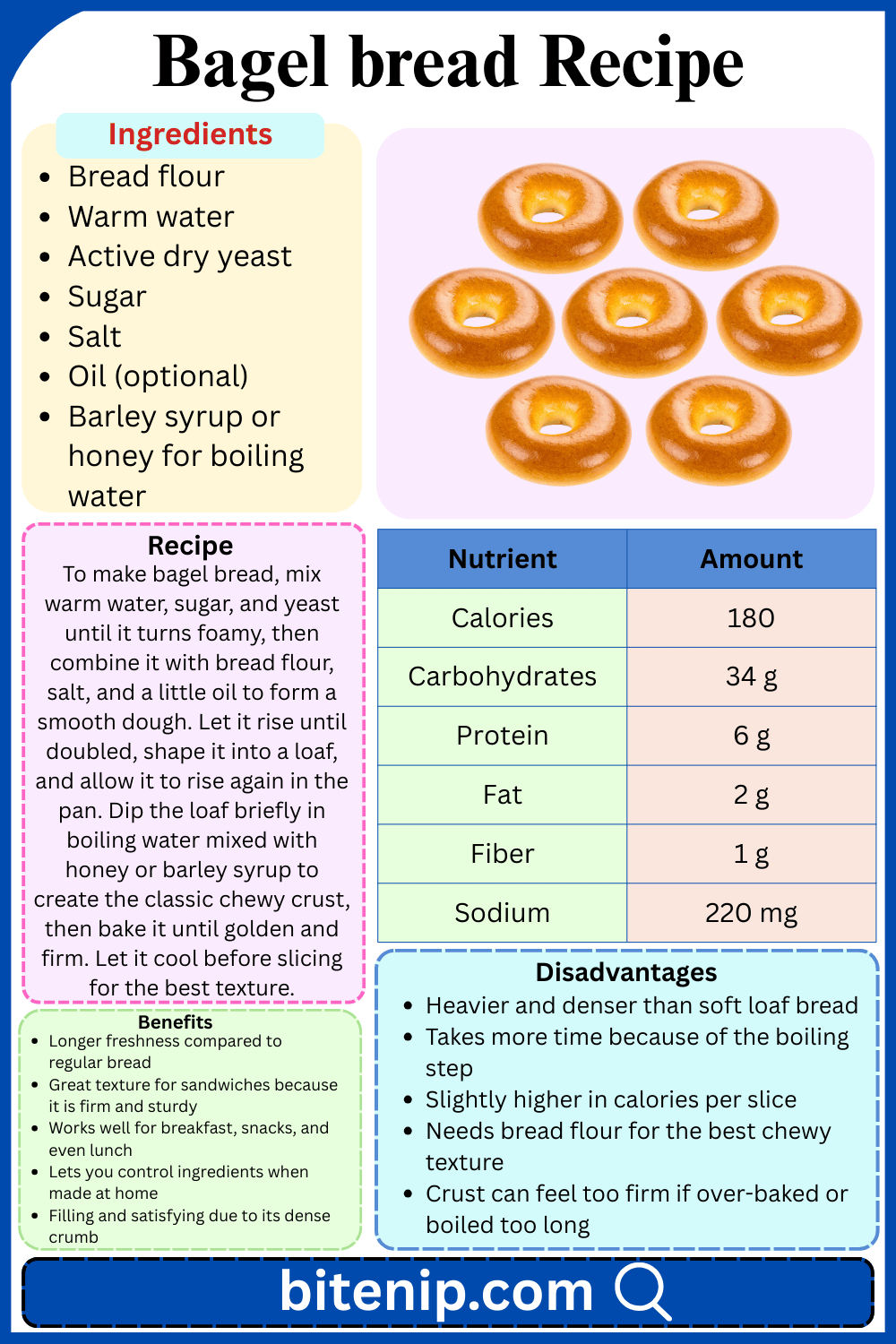
Nutritional Info (Approximate per slice)
| Nutrient | Amount |
|---|---|
| Calories | 180 |
| Carbohydrates | 34 g |
| Protein | 6 g |
| Fat | 2 g |
| Fiber | 1 g |
| Sodium | 220 mg |
Why People Love Bagel Bread?
People enjoy bagel bread because it combines the chew and shine of a classic bagel with the convenience of a loaf. It slices easily, stays sturdy with spreads, and works for both sweet and savory pairings. Moreover, it brings a comforting homemade feel without the shaping work that individual bagels require.
Benefits of Bagel Bread Recipe
1. Longer Freshness
Bagel bread stays fresh longer than many regular breads. Its chewy structure helps retain moisture, so it doesn’t dry out quickly. As a result, you can enjoy it for several days without feeling the need to reheat it often.
2. Better Texture for Sandwiches
Because it is denser and stronger than soft loaf bread, it holds fillings well. Even when you add heavier ingredients like cheese, sauces, or vegetables, the slices don’t fall apart easily. This makes it a reliable choice for lunch boxes or on-the-go meals.
3. Versatile in Meals
You can use bagel bread for breakfast, snacks, or main meals. It tastes great toasted with cream cheese, works well with butter and jam, and pairs nicely with savory spreads. This flexibility makes it a kitchen staple.
4. Homemade Control Over Ingredients
When you make it at home, you decide what goes in your loaf. You can avoid preservatives and adjust sugar or salt based on your needs. This helps create a healthier, cleaner version compared to store-bought options.
5. Satisfying and Filling
Bagel bread is naturally dense, so even a small slice keeps you full for longer. This can help reduce unnecessary snacking and can be useful for people who prefer hearty meals.
Disadvantages of Bagel Bread Recipe
1. Heavier and Denser Texture
Some people prefer soft, airy bread. Bagel bread’s dense crumb might feel too heavy for those who are used to lighter loaves. It also requires more chewing, which may not suit everyone.
2. Longer Preparation Time
Making bagel bread includes a boiling step before baking. Although it improves the texture, it adds extra work and time compared to standard bread recipes. This might not be ideal if you want something quick.
3. Slightly Higher Calories
Because the dough is packed and rich, each slice tends to carry more calories than regular bread. It’s still a good choice, but portion control becomes important, especially for those watching their intake.
4. Needs Bread Flour for Best Results
Using all-purpose flour often leads to a weaker texture. Bread flour gives it the classic bagel chew, but not everyone always has it available. This may limit convenience.
5. Tends to Be Chewy, Not Soft
If you like soft, melt-in-your-mouth bread, bagel bread may not match your preference. Its tougher crust and firm crumb might feel challenging for people who like gentle textures.
FAQs
1. Is bagel bread the same as regular bread?
No, it uses higher-protein flour and includes a boiling step, which gives it a chewier texture.
2. Why is bagel dough boiled?
Boiling sets the crust before baking and adds shine and chew.
3. Can I make bagel bread without yeast?
Yeast is essential for the structure. Without it, the loaf turns dense and flat.
4. Can I use all-purpose flour instead of bread flour?
You can, but you won’t get the typical chewy texture.
5. How long does homemade bagel bread last?
It usually stays fresh for three to four days at room temperature.
6. Can I freeze bagel bread?
Yes, it freezes well. Slice it first for easier reheating.
7. Why is my bagel bread too dense?
Under-kneading or too little rise time can cause this.
8. How do I know the dough has risen enough?
The dough should roughly double in size and feel airy when poked.
9. Can I add toppings like regular bagels?
Yes. Add them after boiling and before baking.
10. Why does the crust get tough sometimes?
Boiling too long or over-baking can make the crust overly firm.
Conclusion
Bagel bread keeps the charm of traditional bagels while offering the ease of a loaf. It fits into breakfast, lunch, and snacks with no effort, and its rich texture makes it stand out from standard bread. With simple ingredients and a few careful steps, you can enjoy a loaf that feels comforting, versatile, and satisfying.
Bagel bread Recipe

