


Yakitori is a traditional Japanese dish that captures the simplicity and flavor of street-style cooking. These tender chicken skewers are grilled to perfection over charcoal, brushed with a savory glaze, and served hot. Every bite offers a mix of smoky, sweet, and salty notes that make it irresistibly delicious. Whether you’re hosting a dinner party or enjoying a casual weekend meal, Yakitori brings warmth and flavor to any occasion.
Origin of Yakitori
Yakitori originated in Japan during the Edo period, but it gained popularity after World War II when street vendors began selling affordable grilled chicken skewers. The word “yakitori” literally means “grilled bird.” Traditionally cooked over charcoal known as binchōtan, Yakitori became a symbol of Japanese comfort food and is now served in both casual food stalls and fine restaurants worldwide.
Ingredients of Yakitori with prictures
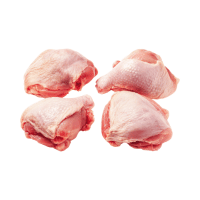
- Chicken Thighs
The star of the recipe. Chicken thighs are preferred because they remain juicy and flavorful when grilled.

- Soy Sauce
Adds deep umami flavor and forms the base of the glaze.
- Mirin (Sweet Rice Wine)
Provides sweetness and a glossy texture to the sauce.
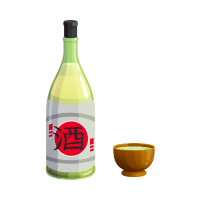
- Sake
Enhances flavor and helps tenderize the chicken.
- Sugar
Balances the saltiness and gives the sauce a caramelized finish.
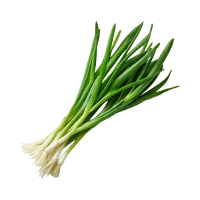
- Scallions (Negi)
Add a mild onion flavor and freshness.
- Wooden Skewers
Used to hold the chicken and scallions together for grilling.




Ingredients with Quantities
| Ingredient | Quantity |
|---|---|
| Boneless chicken thighs | 500 grams |
| Soy sauce | 1/4 cup |
| Mirin | 1/4 cup |
| Sake | 2 tablespoons |
| Sugar | 2 tablespoons |
| Scallions (cut into 1-inch pieces) | 3–4 pieces |
| Wooden skewers (soaked in water) | 8–10 pieces |
Step by Step Yakitori Recipe
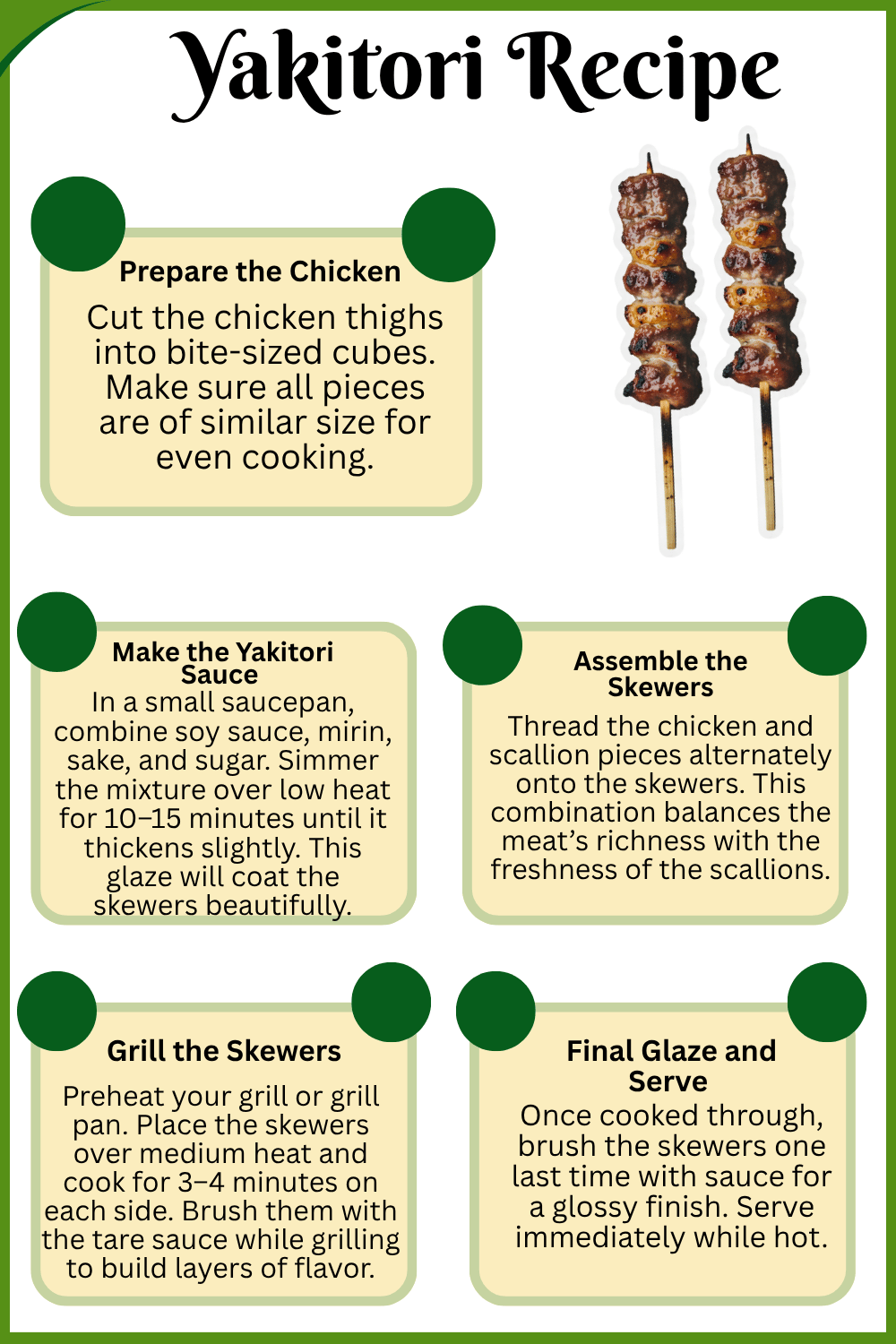
Step 1: Prepare the Chicken
Cut the chicken thighs into bite-sized cubes. Make sure all pieces are of similar size for even cooking.
Step 2: Make the Yakitori Sauce (Tare)
In a small saucepan, combine soy sauce, mirin, sake, and sugar. Simmer the mixture over low heat for 10–15 minutes until it thickens slightly. This glaze will coat the skewers beautifully.
Step 3: Assemble the Skewers
Thread the chicken and scallion pieces alternately onto the skewers. This combination balances the meat’s richness with the freshness of the scallions.
Step 4: Grill the Skewers
Preheat your grill or grill pan. Place the skewers over medium heat and cook for 3–4 minutes on each side. Brush them with the tare sauce while grilling to build layers of flavor.
Step 5: Final Glaze and Serve
Once cooked through, brush the skewers one last time with sauce for a glossy finish. Serve immediately while hot.
Step by Step Yakitori Recipe
Common Mistakes to Avoid
Using chicken breast instead of thighs: Chicken breast tends to dry out quickly, while thighs remain juicy and flavorful.
Skipping the sauce reduction: If the tare sauce isn’t reduced enough, it will be too runny and won’t stick properly to the meat.
Overcrowding the grill: Giving space between skewers allows heat to circulate evenly, ensuring proper browning.
Not soaking skewers: Wooden skewers can burn easily if not soaked in water before grilling.
Tips for Perfect Yakitori Recipe
Use charcoal for authentic flavor: Traditional Yakitori is grilled over binchōtan charcoal, which gives it a distinct smoky aroma.
Brush frequently with sauce: Applying the glaze several times during grilling creates a deep, rich flavor.
Rotate the skewers often: This helps the chicken cook evenly and prevents burning on one side.
Rest the meat briefly: Letting the skewers rest for a minute after grilling keeps them moist and juicy.
Variations of Yakitori
Negima Yakitori: Alternating chicken and scallions on skewers – the most classic version.
Tsukune: Ground chicken meatballs grilled on skewers and dipped in sauce.
Tebasaki: Chicken wings grilled with the same tare glaze for a crispy exterior.
Momo Yakitori: Simple skewers made with only chicken thigh meat, focusing on tenderness and smoky taste.
Serving Suggestions
Yakitori is best served hot right off the grill. You can pair it with steamed rice, miso soup, or a side of Japanese pickles. For drinks, it goes perfectly with sake, beer, or green tea. If you want a full Japanese-style meal, serve it with a small bowl of edamame and salad.
Nutritional Information
| Nutrient | Amount (per serving) |
|---|---|
| Calories | 210 kcal |
| Protein | 18 g |
| Fat | 12 g |
| Carbohydrates | 6 g |
| Sodium | 480 mg |
| Sugar | 4 g |
Why People Love Yakitori ?
People love Yakitori because it combines simplicity with incredible flavor. The smoky char from the grill, the sweet-savory glaze, and the juicy texture of the chicken make it unforgettable. It’s easy to eat, quick to prepare, and perfect for gatherings or casual meals.
Benefits of Yakitori Recipe
1. High in Protein
Yakitori is mainly made from chicken, which is an excellent source of lean protein. Protein helps repair muscles, supports growth, and keeps you feeling full longer. Regularly eating protein-rich meals like Yakitori can also boost metabolism and aid in weight control.
2. Low in Fat (Compared to Fried Foods)
Since Yakitori is grilled, not deep-fried, it contains less oil and fewer calories. The grilling method allows excess fat to drip away, making it a lighter and healthier meal option compared to fried chicken dishes.
3. Rich in Flavor but Simple in Ingredients
One of the biggest advantages of Yakitori is that it delivers deep, savory flavor using just a few basic ingredients. The combination of soy sauce, mirin, and sake gives it a perfect balance of sweet and salty taste without needing heavy seasonings.
4. Contains Vitamins and Antioxidants
Scallions (green onions) used in Yakitori add vitamin C, vitamin K, and antioxidants. These nutrients help boost the immune system and support good digestion, making the dish not only tasty but also nourishing.
5. Easy to Digest and Light on the Stomach
Unlike greasy or heavy meals, Yakitori is gentle on digestion. It’s ideal for people who prefer balanced meals that don’t cause bloating or discomfort.
6. Perfect for Portion Control
Because Yakitori is served on skewers, it’s easy to manage portion sizes. You can enjoy a few skewers for a light meal or more if you want something filling, without overeating.
7. Great for Social Gatherings
Yakitori is a popular food in Japanese izakayas (pubs) and street stalls because it’s easy to share. Grilled skewers bring people together, making it perfect for barbecues, family dinners, or friendly get-togethers.
Disadvantages of Yakitori Recipe
1. High Sodium Content
One of the main downsides of Yakitori is its soy-based glaze. Soy sauce is naturally high in sodium, and eating it frequently can increase blood pressure or cause water retention. Choosing low-sodium soy sauce can help reduce this issue.
2. Risk of Overcooking or Charring
Grilling over open flames can sometimes burn the meat. Charred food not only affects the taste but may also produce compounds that are unhealthy when consumed in large amounts. To avoid this, cook on medium heat and turn the skewers regularly.
3. Added Sugar in Sauce
Some Yakitori sauces contain sugar to balance the flavor. While the amount is small, frequent consumption can add unnecessary calories and may not be suitable for people with diabetes or those following a strict diet.
4. Limited Fiber
Since the dish is mainly meat-based, it’s low in dietary fiber. To make it more balanced, it’s best to serve Yakitori with vegetables or a fresh salad on the side.
5. Not Ideal for Vegetarians or Vegans
Traditional Yakitori uses chicken, so it’s not suitable for vegetarians or vegans. However, you can make plant-based versions using tofu or mushrooms as an alternative.
FAQs
1. Can I use chicken breast instead of thighs?
Yes, but it may turn out drier. Thighs are better for tenderness and flavor.
2. Can Yakitori be made without a grill?
Yes, you can use a grill pan or even bake them in the oven at 220°C for 15–20 minutes.
3. What does “Yakitori” mean?
It literally means “grilled bird” in Japanese.
4. Can I prepare the sauce ahead of time?
Absolutely. You can store it in the refrigerator for up to a week.
5. How do I keep the chicken from sticking?
Lightly oil the grill grates before cooking.
6. Can I make it spicy?
Yes, add chili flakes or a bit of sriracha to the sauce.
7. Is Yakitori gluten-free?
Use gluten-free soy sauce if you want to make it suitable for gluten-free diets.
8. What should I serve with Yakitori?
Steamed rice, miso soup, or grilled vegetables pair perfectly.
9. Can I use vegetables only?
Yes, you can make vegetable Yakitori with mushrooms, bell peppers, or zucchini.
10. Can I store leftover Yakitori?
Yes, store in an airtight container and reheat gently before serving.
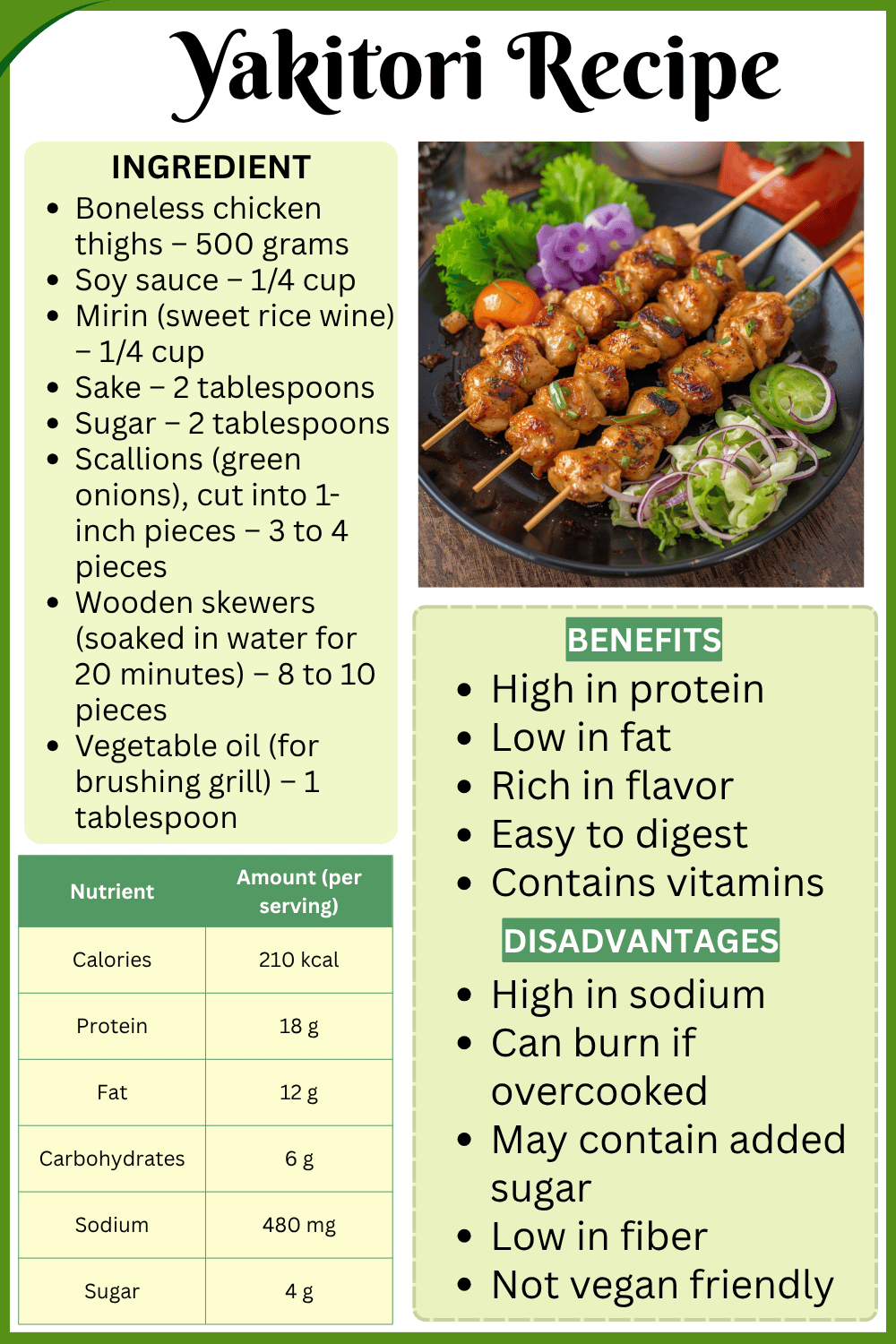
Yakitori Recipe
Conclusion
Yakitori is more than just grilled chicken—it’s a taste of Japan’s culinary culture. Simple yet flavorful, this dish brings comfort and joy with every bite. Whether you enjoy it as street food or homemade, its smoky aroma and sweet-savory glaze never fail to impress. Try it once, and it might just become your favorite go-to recipe.

